Understand the Risk
What Is Water Competency?Why Swimming Ability Is Only Part of Water Safety
Learning to swim is one of the most valuable steps a person can take around water. But swimming ability alone should not be confused with complete preparation for the conditions, environments, and decisions that real aquatic settings present.
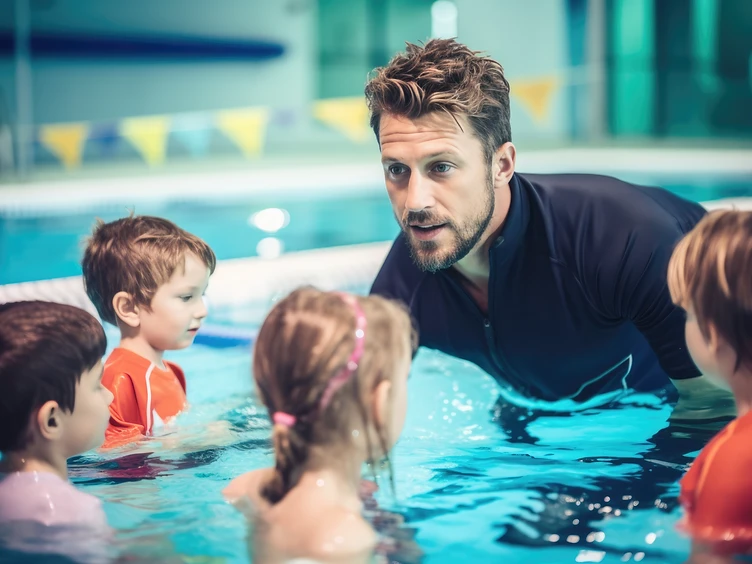
Swimming Skills Are One Piece
Swim competency typically describes a set of physical skills, built through instruction and practice:
Entering the water and resurfacing
Floating
Treading water
Turning and orienting in the water
Propelling oneself through the water
Exiting the water
These skills are foundational. Structured swimming instruction helps people of every age build them, and pursuing that instruction is one of the most valuable water-safety steps an individual or family can take.
Water Competency Is Broader Than Swimming
The American Academy of Pediatrics (AAP), in its 2026 Prevention of Drowning guidance, describes water competency more broadly.
Water Competency
What a person knows, does, and decides in and around water.
- understanding aquatic hazards
- assessing risk before and during time in and around water
- safe attitudes and behaviors around water
- knowing when and how to use a life jacket
- survival swimming skills
- recognizing when someone is in distress in the water
- understanding principles of safe rescue
- responding appropriately to a drowning emergency
One part within this broader picture
Swim Competency
What a person can physically do in the water.
Swimming is part of water competency. It is not the whole of water competency.
Pool Skills Do Not Automatically Transfer
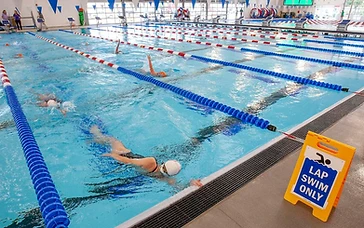
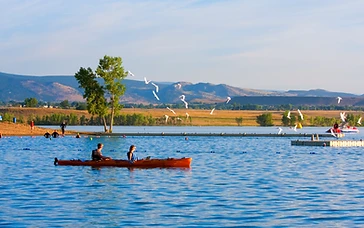
Skills learned in a controlled swimming pool do not necessarily transfer directly to natural-water environments. Temperature, current, visibility, waves, depth, weather, clothing, and the conditions for entering and exiting the water can all differ from a pool, sometimes dramatically. A person who swims confidently in a pool may still face unfamiliar demands in a lake, reservoir, or river.
Pool ability is a starting point for natural-water preparation, not a guarantee of it.
How Colorado Aquatics Foundation Reads the Evidence
This is our interpretation of that guidance, as an organization working on water safety in Colorado. The guidance itself comes from the AAP, CDC, and other established authorities.
For Colorado Aquatics Foundation, water safety is not simply about learning to swim. It is about building the knowledge, skills, judgment, access, and community systems that allow people to interact with water more safely.
Water Competency Works Alongside Other Layers
No level of swimming ability eliminates drowning risk. Authoritative guidance from the AAP and CDC treats swimming instruction and water competency as parts of a broader system of drowning prevention. Water competency is one layer of protection, and it works best when the other layers are present too.
Last reviewed: September 2026
Primary Sources
- American Academy of Pediatrics, Prevention of Drowning: Policy Statement, Pediatrics, July 2026
- American Academy of Pediatrics, Prevention of Drowning: Technical Report, Pediatrics, July 2026
- CDC, Drowning Prevention
Colorado Aquatics Foundation provides educational information and connects readers with authoritative water-safety resources. This information is not a substitute for professional medical, emergency, or safety guidance.