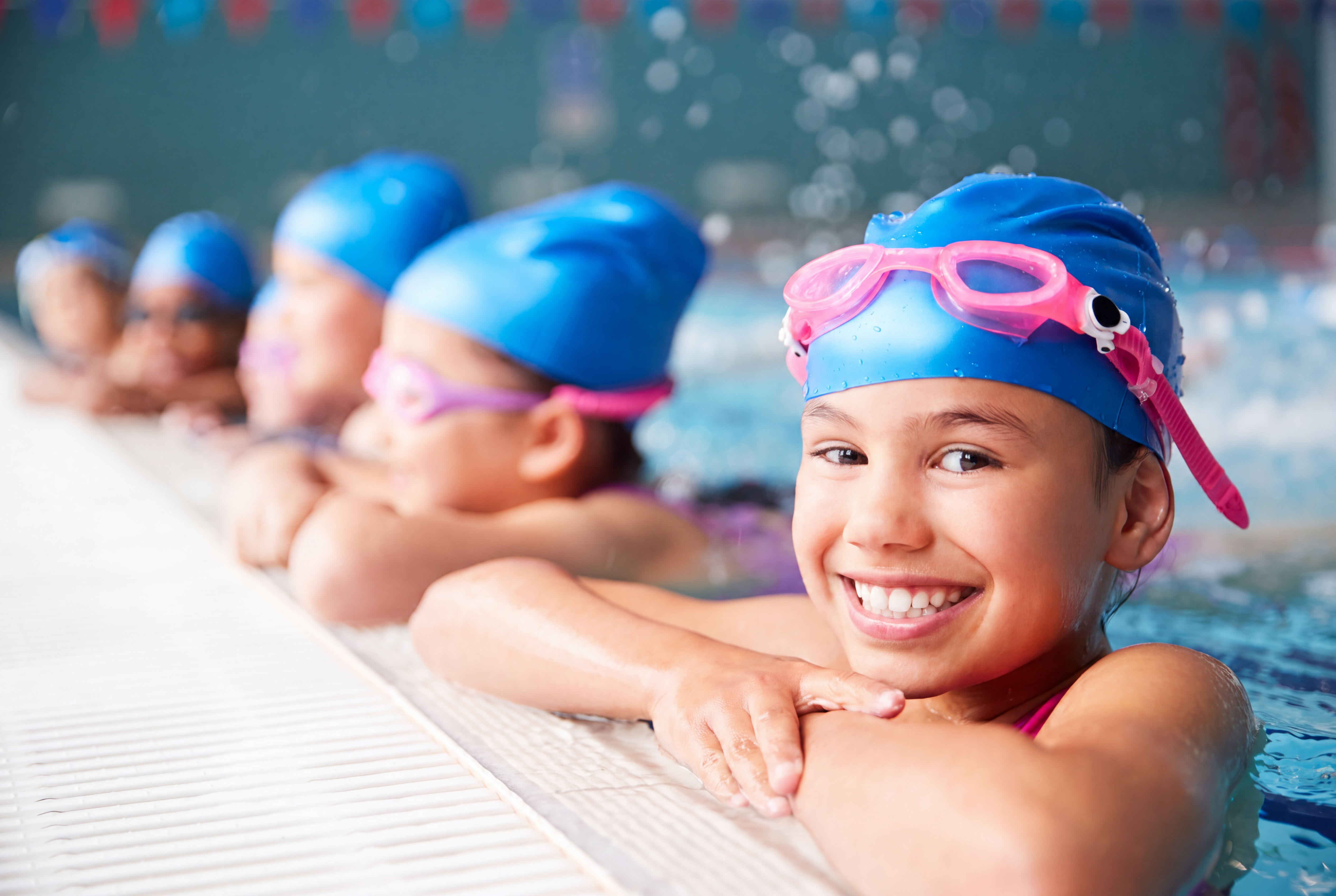
Safer Around Water Starts Long Before Someone Enters the Pool.
Water safety is more than learning to swim. It includes knowledge, skills, supervision, safe environments, sound decisions and knowing how to respond when something goes wrong.
Colorado Aquatics Foundation believes every community should have greater access to the education, experiences and aquatic resources that help people become safer and more confident around water.
Drowning Is Preventable.
If drowning is preventable, the choices we make before an emergency matter.
Effective drowning prevention involves multiple layers of protection, including supervision, water competency, safe environments, life-jacket use when appropriate, and the ability to recognize and respond to an emergency. No single layer is enough on its own — and that means what communities build, teach and share matters.
The Evidence
Drowning is the leading cause of death for children ages 1–4 in the United States.
Centers for Disease Control and Prevention
Water Safety Is More Than Learning to Swim.
Learning to swim matters. But meaningful drowning prevention also includes supervision, water competency, safe environments, life jackets when appropriate, emergency preparedness, and understanding the risks of different aquatic environments.
Colorado Aquatics Foundation sees its role as helping connect authoritative water-safety guidance with education, aquatic access, community partnerships, and the places people need to build and practice those skills.
Learn about water competencyKnow the Risk
Awareness
Understanding water hazards helps people make safer decisions. CAF works to connect families and communities with credible water-safety information.
Build the Skills
Education
Swimming ability is important, but water competency also includes recognizing hazards, making sound decisions, and knowing how to respond in an emergency.
Create Access
Access
People need places to learn and practice. CAF advocates for greater access to aquatic facilities, qualified instruction, and water-safety programming.
Work Together
Partnerships
Drowning prevention requires families, instructors, public health, public safety, schools, and community organizations working together.
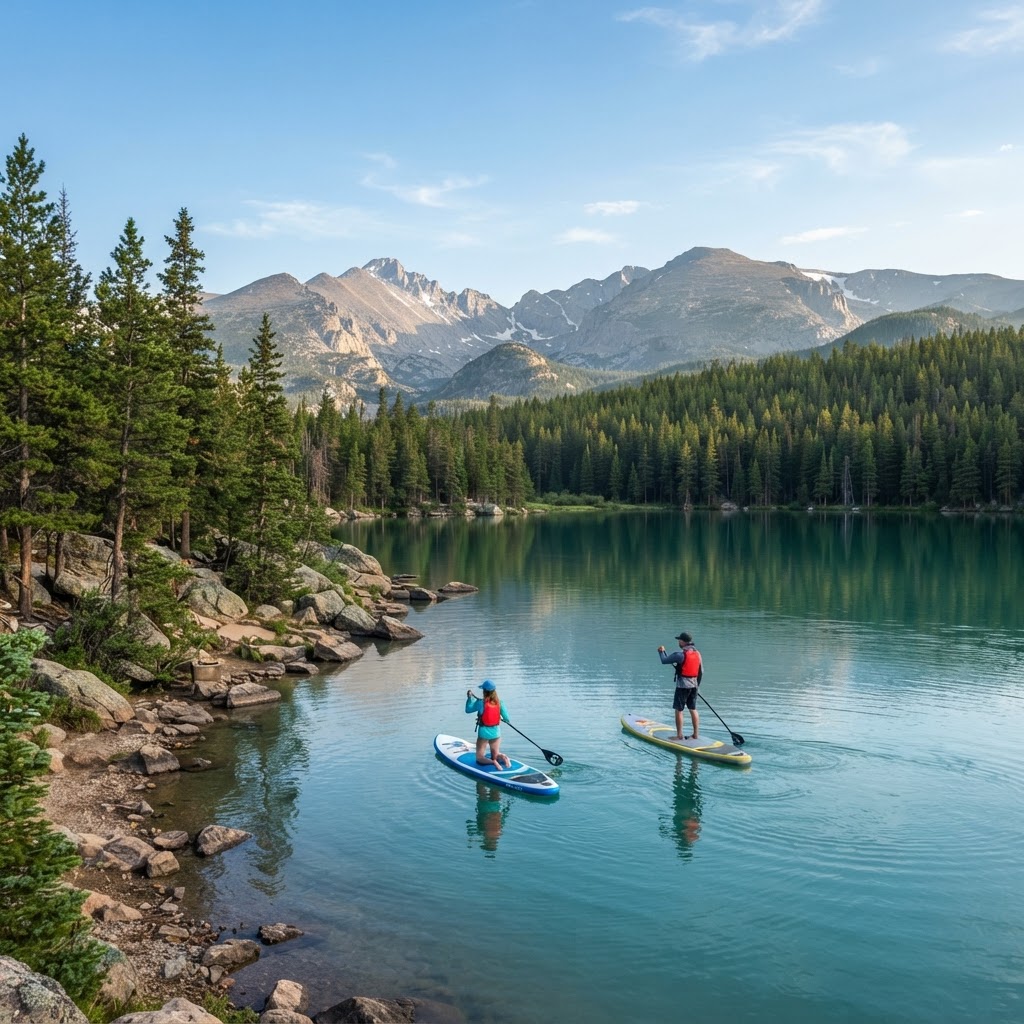
Water Safety Doesn't Stop at the Pool Deck.
Colorado's relationship with water extends from swimming pools to reservoirs, lakes and rivers. Those environments introduce different conditions, including cold water, changing weather, currents, limited visibility, varying depths, and places where lifeguards may not be present.
Skills developed in a pool matter, but preparation for natural water also requires understanding the environment.
Explore Water Safety in ColoradoKnowledge Changes What People Do Around Water.
What people understand about water shapes the decisions they make long before an emergency ever happens. These evidence-based resources from Colorado Aquatics Foundation connect authoritative guidance with the environments, communities, and aquatic opportunities found here in Colorado.
Related Reading
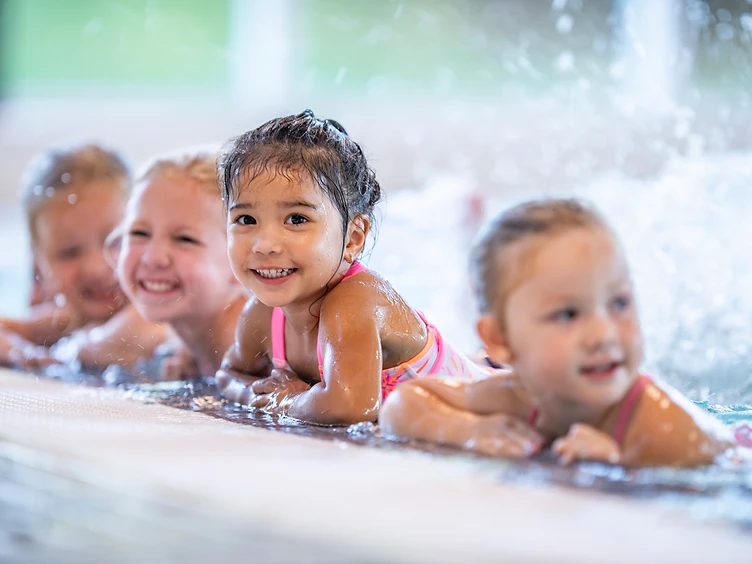
Reference photo of learn-to-swim instruction
Knowledge Needs a Place to Become Skill.
Understanding water safety matters. But confidence and competency are developed through instruction, practice, and experience. That takes accessible facilities, qualified instructors, and opportunities for people of different ages and abilities to learn.
The planned Colorado Aquatic Center includes a dedicated four-lane, 25-yard instructional pool designed to support learn-to-swim programs, water-safety education, and other community uses. Alongside the center's configurable 50-meter pool, it represents an investment in both aquatic opportunity and the skills that help people become safer around water.
The pool is infrastructure. The impact comes from what a community can do with it.
Safer Communities Are Built Together.
Drowning prevention and water safety operate as a community system. Families and community members, aquatic professionals and instructors, public safety, public health, education, and recreation each touch a different part of the work.
No facility, instructor, family, agency, or organization can create water-safe communities alone. Colorado Aquatics Foundation helps strengthen the connections among those worlds while supporting, not duplicating, the good work already being done.
We welcome conversations with organizations working in water-safety education, swim instruction, drowning prevention, public health, public safety, aquatic operations, adaptive aquatics, youth programming, and community recreation.
Start With Authoritative Sources.
CAF's educational work is informed by established authorities in drowning prevention, public health, pediatrics, and water safety. We encourage families and community leaders to go directly to primary sources.
National / Public Health
Colorado / Open Water
Colorado Aquatics Foundation is an organizational member of the National Drowning Prevention Alliance.
Colorado Aquatics Foundation provides educational information and connects readers with authoritative water-safety resources. This information is not a substitute for professional medical, emergency, or safety guidance. Referencing these organizations does not imply their endorsement of CAF.
Safer Communities Are Built
When People Get Involved.
Whether you work in aquatics, education, public health, community programming or simply believe more people should have the opportunity to become safer around water, there is a place for you in this conversation.